The Journal · 15 July 2026
The revolutionary’s Rolex — Che, Fidel, and the GMT that saw it all.
Two Marxist revolutionaries, an embarrassment of Swiss luxury tool watches, and the strangest Rolex provenance story ever told.
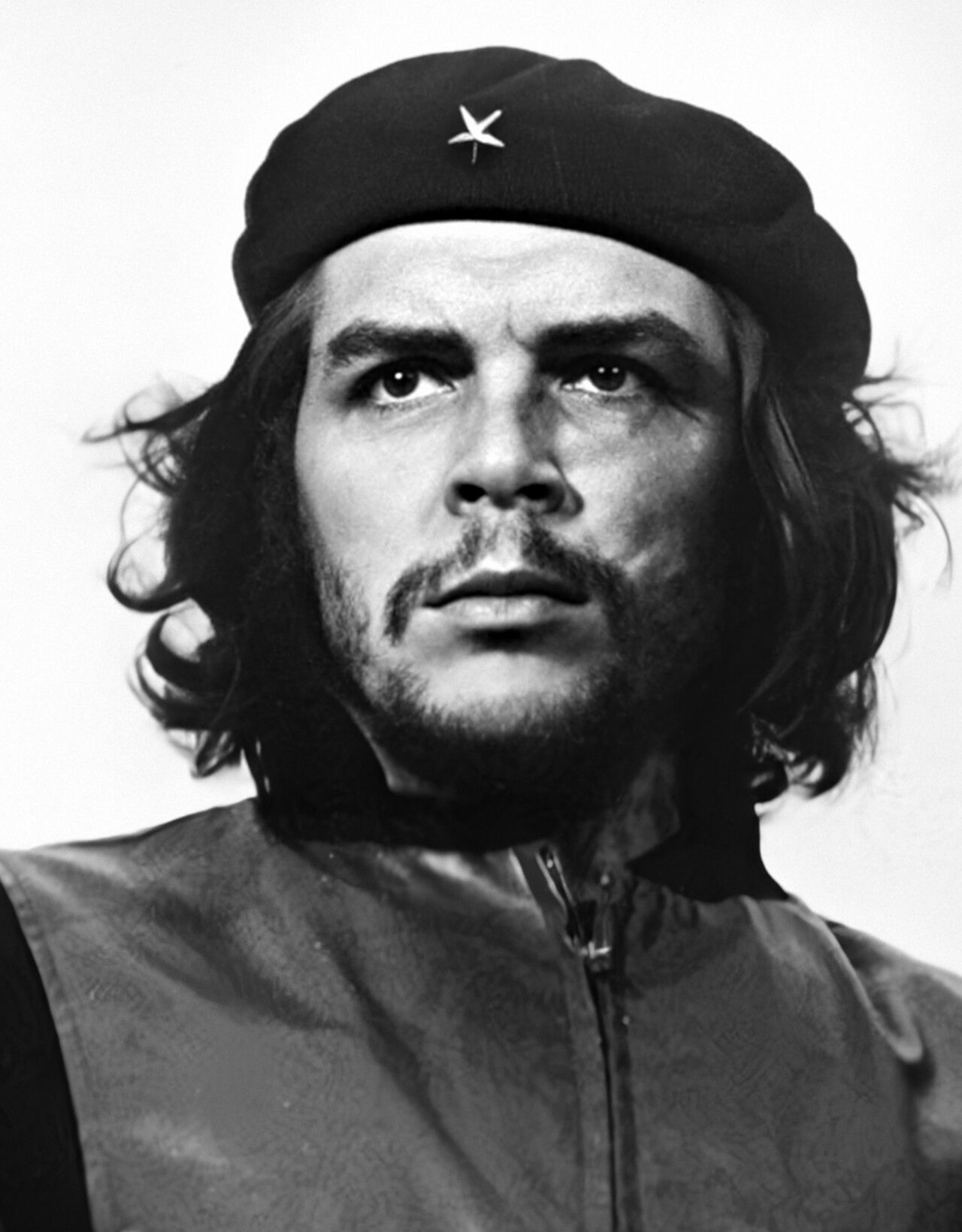
File this under ‘things that shouldn’t compute but absolutely do’: the two most famous Marxist revolutionaries of the twentieth century were, to put it mildly, Rolex men. Not quietly, either. We’re talking documented, photographed, wearing-them-in-the-jungle Rolex men. And honestly? It makes PERFECT sense — stay with us.
The most famous photo in the world (check the wrist)
Korda’s Guerrillero Heroico — the beret, the thousand-yard stare, the t-shirt empire it spawned. What the poster shops crop out is that through the revolution and after it, Che’s daily companion was a Rolex GMT-Master. Study the era’s photographs and the case shape and bezel keep turning up — and the sharper frames show that unmistakable Pepsi two-tone. There’s been many an enjoyable argument (several at this very bench) about which reference is on his wrist in which photo — the early bakelite-bezel 6542 versus the later 1675 — and late-period shots settle into the 1675 comfortably. A guerrilla commander with supply-line problems chose the same watch as Pan Am pilots. Superb.
Fidel: why wear one Rolex when you can wear TWO
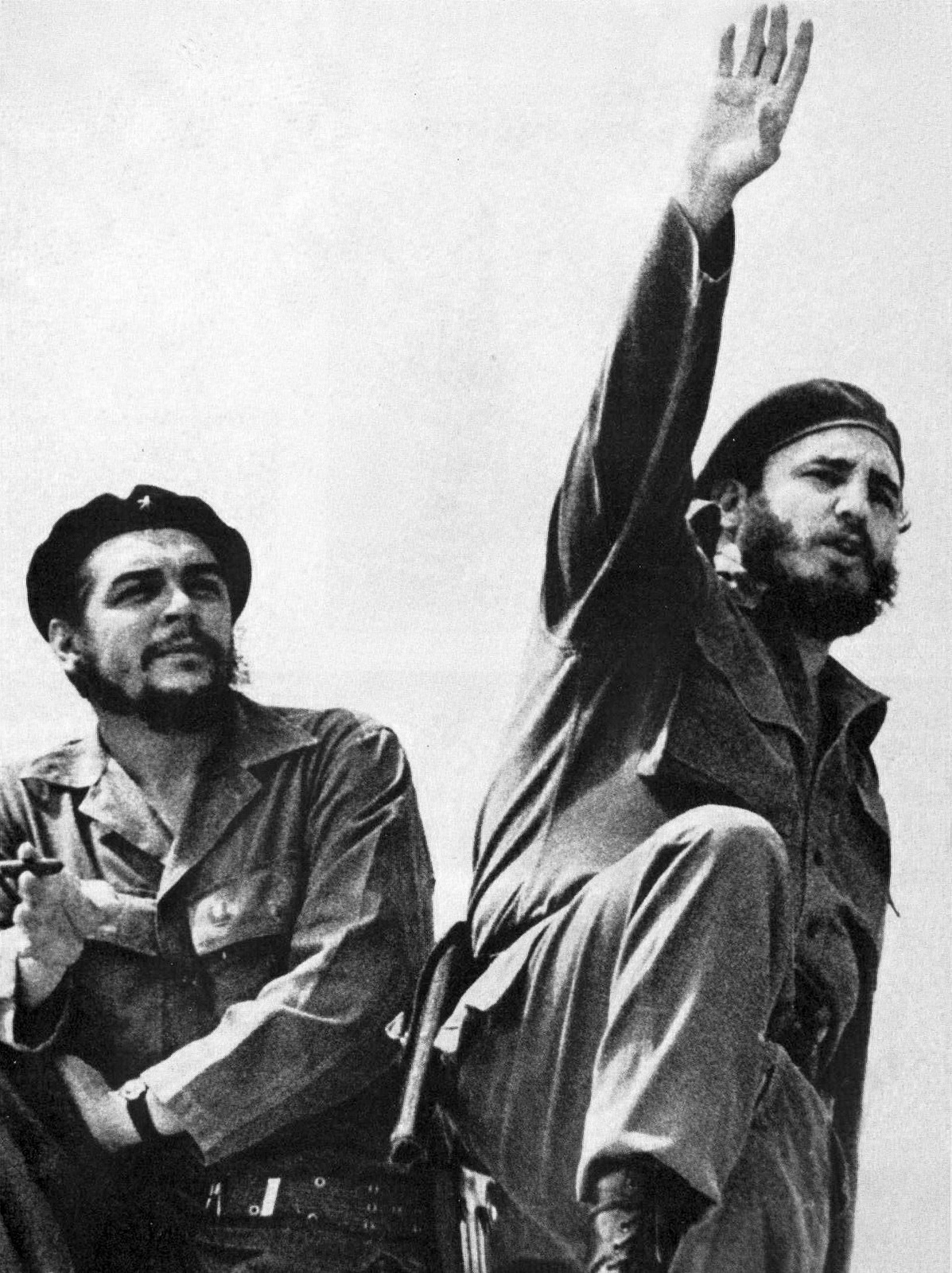
Fidel Castro took it further, because of course he did. Photographs from his 1963 Moscow visit show him wearing two Rolexes on the same wrist — popularly read as a GMT-Master and a Submariner, stacked like sanctions. The romantic version says Havana time and Moscow time; the practical version says a GMT-Master already DOES two time zones and Fidel simply liked watches. We refuse to adjudicate. The man addressed the UN in fatigues and a Rolex — twice the tooling, twice the message.
Bolivia, 1967 — provenance gets dark
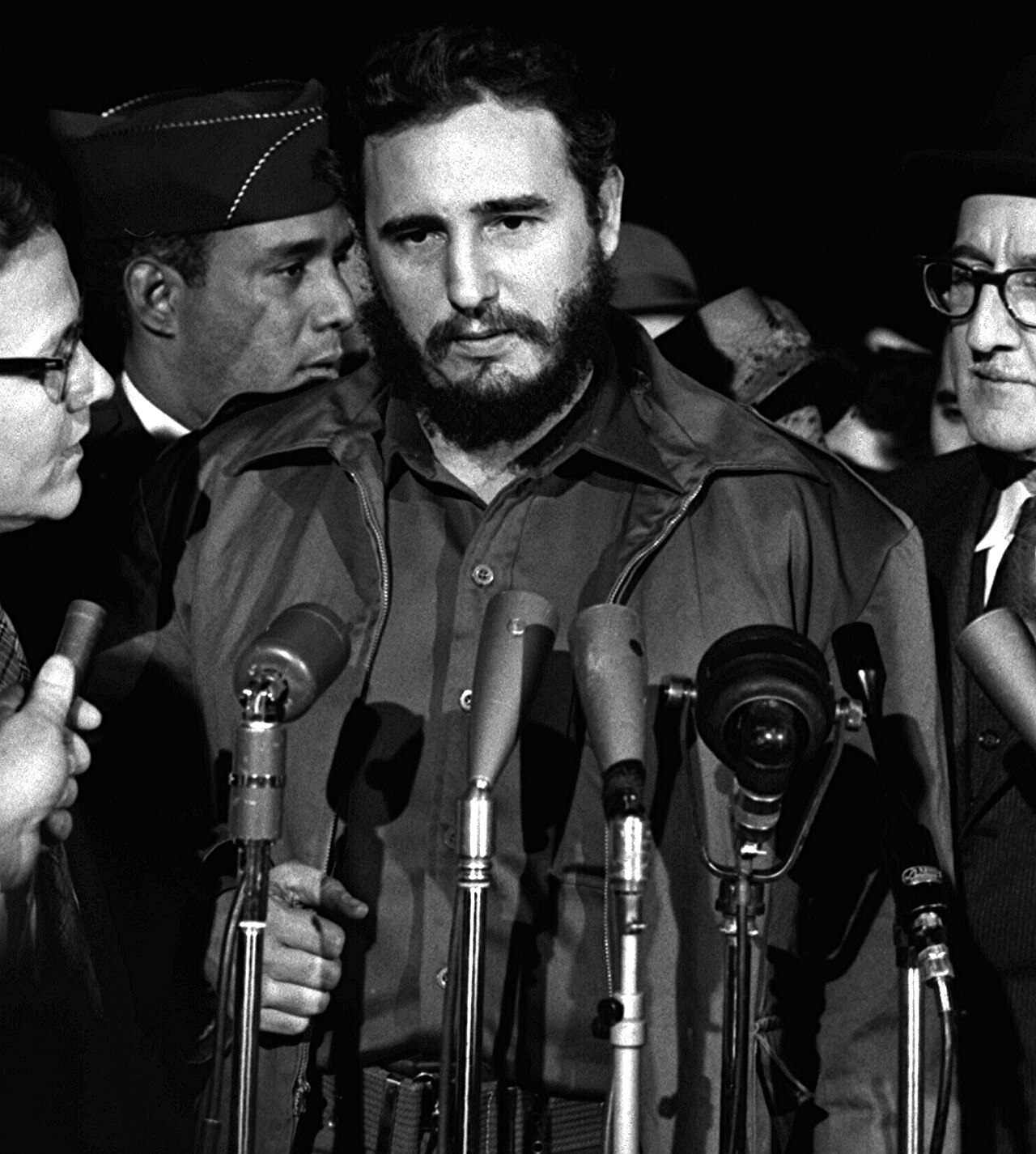
The end of the story is the strangest watch provenance ever recorded. After Che’s capture and execution in Bolivia in October 1967, the CIA officer present — Félix Rodríguez — has said for decades that he took Che’s Rolex GMT-Master from him at the end, and wore it for years afterwards. Whatever you make of the politics (and this is a watch blog, not a manifesto), sit with that for a second: one of the most consequential lives of the century, and its witness was a steel sports Rolex that just kept ticking. They were never jewellery to these men. They were EQUIPMENT.
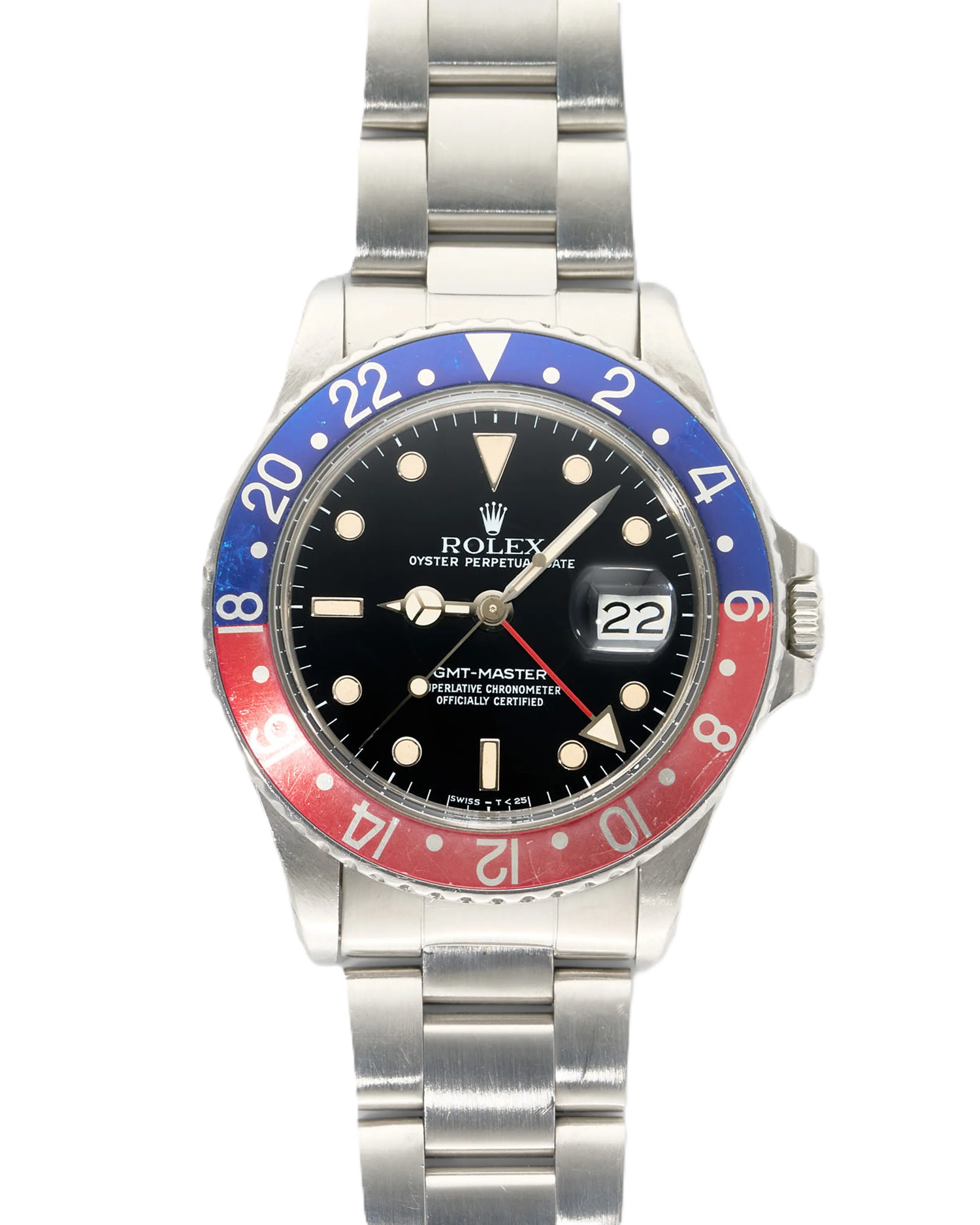
And that’s the real takeaway for us. In the 1950s and 60s a Rolex GMT wasn’t a status symbol — it was the most reliable instrument money could buy, which is exactly why it turns up on pilots, revolutionaries, and everyone in between. If you’ve got one that’s lived a life (ideally slightly less dramatic), the bench would very much like to meet it.
Broad Arrow Watchworks — from the bench